
The MEND Model
A Framework to Transform Strain Into Sustainable Connection
What is the MEND Model?
When teams are exhausted, tense, or polite without connection, something deeper is going on.
Maybe you're noticing:
- Your team avoids conflict but tension lingers
- High performers carry more than they should
- Burnout is quietly rising
- Conversations feel cautious instead of honest
- You’ve tried communication trainings but patterns persist
These aren’t performance problems, they are relational patterns that go unspoken.
That’s what the
MEND Model addresses.
Developed by Dr. Siemone Smith, LCPC, MFT, the MEND Model is a healing-centered framework that restores connection by transforming how people relate to themselves, to others, and to their collective purpose.
Leaders May Be Wondering:
- Is this another communication training?
- Will this require people to divulge things they’re not ready to share?
- How is this different from DEI workshops?
- What outcomes can we actually expect?
- How does this connect to burnout, psychological safety, and teamwork?
What MEND Model Does
The MEND Model offers a structured, relational practice for teams to:
- Understand how patterns show up in everyday work.
- Interrupt unhelpful cycles of avoidance or reactivity.
- Practice repair as a daily skill instead of a crisis fix.
- Build shared language and accountability for connection.
The Core Structure
It’s a relational practice that helps teams reflect, repair, and reconnect through guided exploration, emotional attunement, and actionable change.
The model unfolds across three core layers:
Relation To Self
We help individuals notice the triggers, values, and experiences that shape how they show up — and how they carry stress.
Outcomes: Greater self-awareness, emotional regulation, and presence rather than autopilot interactions.
Relation To Others
Teams explore how lived experience, power dynamics, and culture show up in conflict and connection.
Outcomes: Trust deepen, communication get clearer, and collaboration become more resilient.
Relation To Healing
Teams integrate relational insight into daily practice so repair becomes muscle memory, not a nice idea.
Outcomes: Stronger psychological safety, shared accountability, and more genuine belonging.
Why MEND Matters
In every sector — education, healthcare, early childhood, corporate, nonprofit — the same truth holds:
People
do
care.
They
don’t burn out because they stop caring. They burn out because they care without connection that feels safe, clear, and mutual.
The MEND Model brings humanity back into professional spaces. It’s where empathy meets accountability, and reflection becomes the foundation for sustainable culture change.
“After our MEND facilitation, our team stopped walking on eggshells. We started walking toward each other.”
— Program Director, Home Visiting Agency
How It Works
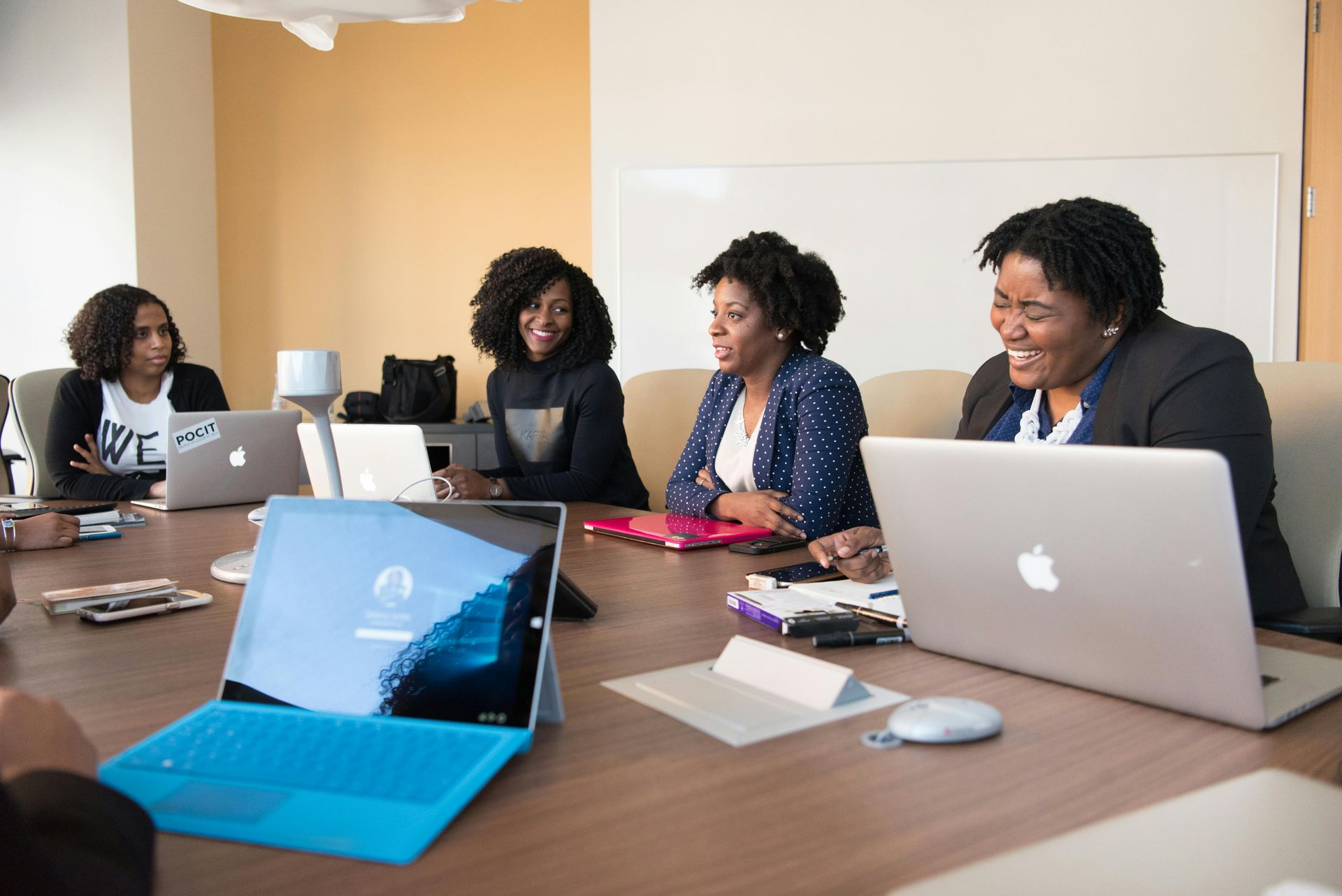
MEND facilitation is not a lecture, it’s a living experience. Each offering is designed around your team’s unique context and goals.
Formats:
- 4-hour interactive workshop
- Full-day or 2-day retreat
- Multi-session series (ideal for sustained growth and implementation)
What You Actually Do:
- Guided storytelling and reflective dialogue
- Real-time attunement practice
- Group process and collaborative problem-solving
- Integration planning for ongoing use
Ideal for:
- Leadership teams navigating stress and change
- Staff who feel worn out but still care deeply
- Organizations seeking meaningful psychological safety
- Teams committed to equity that actually shows up in practice
What You Can Expect
- Renewed trust and engagement
- Conversations with curiosity rather than defensiveness
- Leaders who model relational courage
- Observable cultural movement toward accountability and belonging
Bring the MEND Model to Your Organization
Generation Mend offers customized facilitation, reflective leadership coaching, and follow-up sessions to help sustain growth long after the workshop ends.
Let’s explore where your team is stuck and what meaningful connection could look like.